Hydrodynamic Diffusers
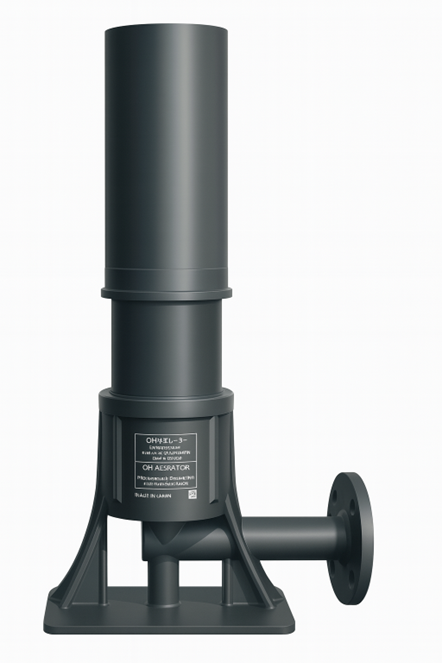
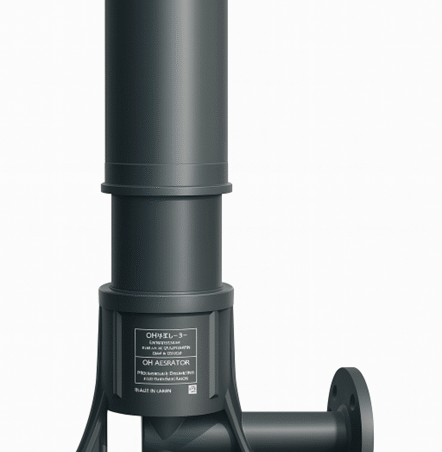
Hydrodynamic diffusers are essential fluid distribution devices used widely in Sewage Treatment Plants (STP) and Effluent Treatment Plants (ETP). Their primary function is to evenly disperse treated or partially treated water, chemicals, or air into different stages of treatment. By ensuring optimal mixing and flow uniformity, hydrodynamic diffusers significantly improve the treatment efficiency, aeration performance, and environmental compliance of wastewater plants.
What is a Hydrodynamic Diffuser?
A hydrodynamic diffuser is a gradually expanding conduit or specially designed nozzle that:
- Reduces fluid velocity
- Increases static pressure
- Ensures uniform and controlled distribution of flow
- Prevents turbulence and dead zones
They regulate the hydraulic energy of wastewater, allowing efficient dispersion into large tanks or discharge systems.
Hydrodynamic Diffusers Role in STP and ETP
Hydrodynamic diffusers are used in various stages of wastewater treatment:
| Treatment Stage | Purpose of Hydrodynamic Diffuser |
|---|---|
| Aeration Tanks | Efficient air/water mixing for biological treatment |
| Equalization Basins | Uniform distribution to maintain homogenous flow |
| Chemical Dosing Zones | Proper chemical dispersion for coagulation/flocculation |
| Outfall Discharge | Prevent erosion and protect aquatic life |
| Sludge Handling | Improved flow during thickening and pumping |
Working Principle
These diffusers operate on Bernoulli’s principle and hydraulic energy conversion:
- Wastewater or air under high velocity enters the diffuser
- Cross-section gradually expands
- Flow velocity decreases
- Static pressure increases
- Fluid disperses uniformly into the receiving tank or channel
This helps maintain oxygen transfer efficiency and mixing stability.
Advantages of Using Hydrodynamic Diffusers
✔ Energy-efficient pressure recovery
✔ Prevents short-circuiting of flow in tanks
✔ Increases biological treatment efficiency
✔ Reduces dead zones, sediment deposition & odor issues
✔ Enhances oxygen transfer in aeration systems
✔ Improves environmental safety during final discharge
Applications in STP and ETP Systems
| Area of Use | Purpose |
|---|---|
| Final Discharge into river/lake/ocean | Rapid dilution and environmental protection |
| Channel/Sea Outfalls | Reduce ecological stress on aquatic ecosystems |
| Equalization and mixing zones | Maintain homogenous flow patterns |
| Industrial wastewater discharge | Control spread of residual contaminants |
These diffusers are especially useful in coastal regions, ports, and inland waterways.
Why They Are Essential in Modern Wastewater Management
With increasing industrial growth and stricter pollution norms, effective dilution of treated wastewater is critical. Jet hydrodynamic diffusers:
- Prevent local rise in BOD, COD, nutrients, and toxic residuals
- Avoid ecosystem stress caused by concentrated effluents
- Ensure safe hydraulic integration of effluent into natural water bodies
Their performance directly contributes to sustainable wastewater disposal and marine environmental protection.
Conclusion
Hydrodynamic diffusers are crucial components in modern sewage and industrial effluent treatment systems. They enhance mixing, aeration, and discharge dispersion, leading to higher system efficiency and environmental protection. With increasing global focus on sustainability, advanced hydrodynamic diffusers continue to play a vital role in ensuring safe and effective wastewater management.