Dredging Pumps – Introduction
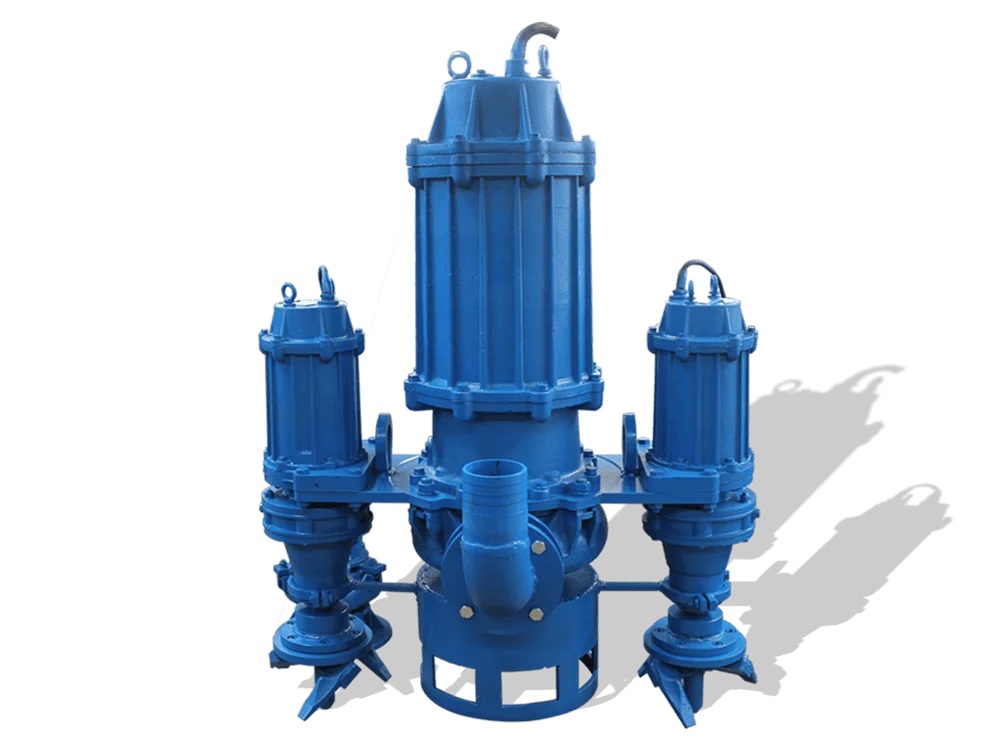
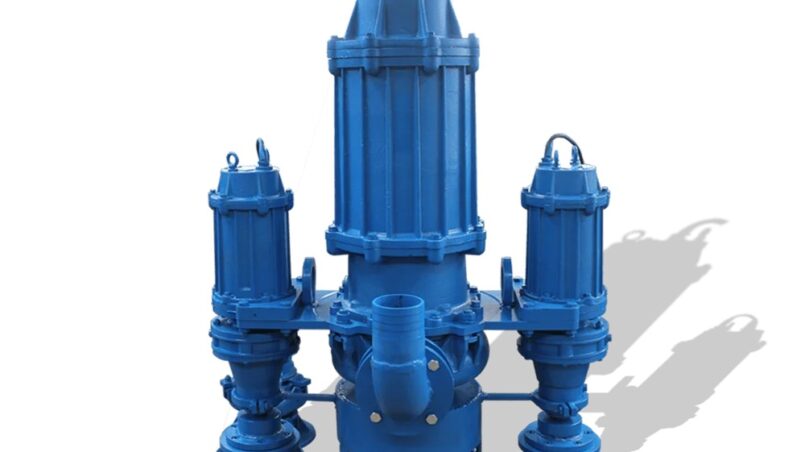
Dredging pumps are heavy-duty pumps specifically designed to handle mixtures of water and solid materials such as sand, silt, gravel, clay, and even rock fragments. They are a crucial part of dredging operations, which involve removing or relocating sediments from the bottom of water bodies like rivers, lakes, harbors, and reservoirs. These pumps are essential for maintaining navigable waterways, carrying out land reclamation projects, supporting mining operations, and conducting environmental restoration.
Applications of Dredging Pumps
- Port and Harbor Maintenance
- Keeps navigation channels at the required depth by removing accumulated sediments.
- Land Reclamation
- Transfers dredged material to create new land for construction or agriculture.
- Mining and Mineral Processing
- Transports slurry containing minerals, sand, or gravel from extraction sites.
- Flood Control and River Management
- Deepens riverbeds to improve water flow and reduce flooding risk.
- Environmental Remediation
- Removes contaminated sediments from lakes and rivers to restore ecological balance.
Types of Dredging Pumps
- Centrifugal Dredging Pumps
- Most commonly used in dredging.
- Operates by spinning an impeller to generate centrifugal force, moving the slurry efficiently.
- Handles high concentrations of solids and large particle sizes.
- Submersible Dredging Pumps
- Installed directly in the dredging area underwater.
- Reduces suction losses and increases pumping efficiency.
- Suitable for deepwater or confined spaces.
- Cutter Suction Dredge Pumps
- Combined with a rotating cutter head to break compacted sediments before pumping.
- Effective for dredging hard-packed material or soft rock.
- Jet Dredge Pumps
- Use high-pressure water jets to loosen and transport sediments.
- Simple design but best for shorter pumping distances.
Key Features of Dredging Pumps
- High Solids Handling Capacity – Can manage large, abrasive particles without clogging.
- Wear-Resistant Materials – Typically built with high-chrome alloys, hardened steel, or special coatings to withstand abrasion.
- High Efficiency – Designed to maintain consistent performance even with dense slurries.
- Customizable Design – Can be tailored to suit different dredging depths, flow rates, and material types.
Factors to Consider When Choosing a Dredging Pump
- Particle Size and Abrasiveness – The pump must handle the maximum particle size in the dredged material.
- Pumping Distance and Head – Determines the power and size of the pump required.
- Maintenance Requirements – Easy access for replacing wear parts ensures minimal downtime.
- Operational Environment – Salinity, temperature, and depth of operation can affect material selection.
Conclusion
Dredging pumps are indispensable in marine engineering, mining, and environmental projects. Their ability to handle large volumes of abrasive slurry makes them ideal for challenging underwater excavation tasks. Selecting the right type and specification of dredging pump ensures operational efficiency, reduced wear, and long-term performance. With proper design, maintenance, and operation, dredging pumps can significantly contribute to sustainable waterway management and land development projects.