
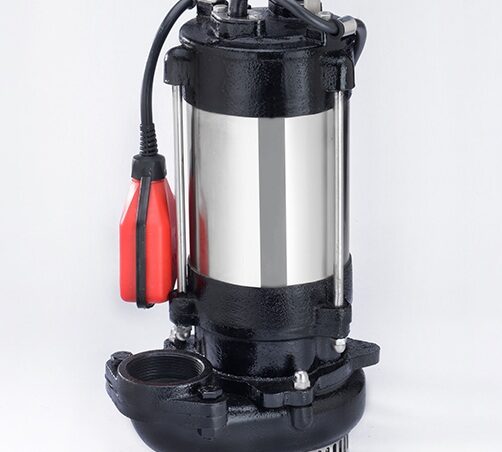
Introduction: Dewatering Pumps
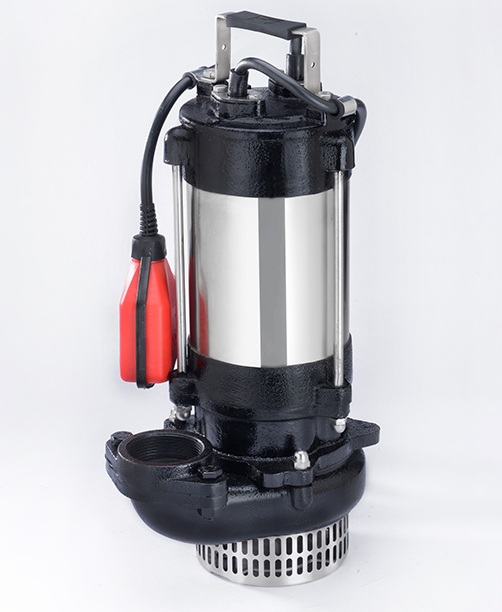
Dewatering pumps are specialized pumps used to remove water from construction sites, mines, tunnels, basements, and other areas where water accumulation is a problem. These pumps are essential in maintaining dry and safe working conditions by quickly and efficiently removing excess water.
Types of Dewatering Pumps:
- Submersible Dewatering Pumps
- Fully submerged in water during operation
- Ideal for deep water and confined spaces
- Commonly used in mines, basements, and boreholes
- Centrifugal Dewatering Pumps
- Use a rotating impeller to move water
- Suitable for high flow applications
- Often used in construction and flood control
- Diaphragm Dewatering Pumps
- Use a reciprocating diaphragm to move water
- Can handle muddy or debris-filled water
- Common in remote or rugged locations
- Wellpoint Dewatering Systems
- Involve a series of shallow wells connected to a vacuum pump
- Suitable for lowering groundwater levels at construction sites
Working of Dewatering Pumps
It work by extracting unwanted water from one area and discharging it to another, typically to keep workspaces dry and safe. The basic working principle involves suction, pressure, and discharge.
Basic Working Principle:
- Water Inlet (Suction):
The pump draws water through an inlet pipe or opening. This can happen through:- Natural gravity flow
- Vacuum/suction created by an impeller or diaphragm
- Water Movement (Impeller or Diaphragm Action):
- In centrifugal and submersible pumps, an impeller rotates rapidly to create a centrifugal force, pushing water outward and upward through the discharge pipe.
- In diaphragm pumps, a flexing diaphragm creates suction and discharge through repeated movements.
- Water Discharge:
The collected water is expelled through the discharge outlet, directed away from the site (e.g., into drains, tanks, or safe discharge areas).
Steps in Operation:
- Pump is placed or submerged at the water-accumulated site.
- Power supply is turned on (electric/diesel).
- The motor runs, activating the impeller or diaphragm.
- Water is pulled in through suction and pushed out via discharge.
- Continuous operation keeps the area dry.
Factors Affecting Performance:
- Water depth and volume
- Type of pump (submersible, centrifugal, etc.)
- Size and power of the pump motor
- Presence of solids or debris in water
- Discharge pipe length and elevation
Applications of Dewatering Pumps:
- Construction Sites – To keep foundations and trenches dry
- Mining Operations – To remove water from underground shafts
- Tunnels and Subways – For safe excavation and maintenance
- Flooded Areas – Quick response to remove floodwater
- Agriculture – To drain waterlogged fields
Key Features:
- High efficiency and rapid water removal
- Corrosion and abrasion resistance
- Portable and easy to install
- Available in electric or diesel-powered models
Conclusion:
Dewatering pumps play a crucial role in various industries where water removal is necessary. Selecting the right type of pump depends on the specific site conditions, water quality, and application requirements. Efficient dewatering ensures safer, more productive work environments.

1 Comment