

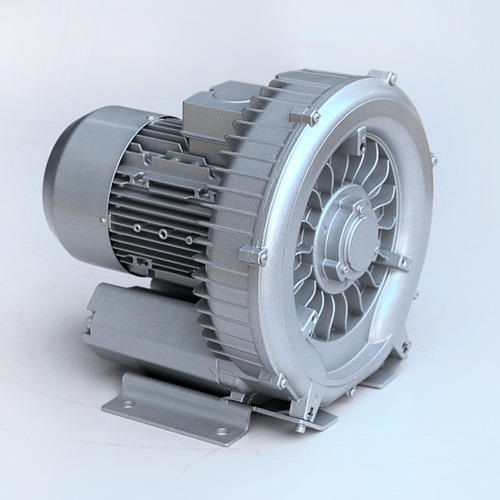
Introduction – Air Blower
Industrial air blowers are powerful mechanical devices designed to generate high-volume airflows for various industrial processes. Unlike ordinary fans, industrial air blower is built for heavy-duty use and are engineered to handle high pressure and large air volume, making them essential in a wide range of industries such as manufacturing, wastewater treatment, chemical processing, food production, HVAC systems, and more.
What is an Industrial Air Blower?
An industrial air blower is a mechanical device that increases the velocity of air or gas when it is passed through equipped impellers. It is typically used in applications that require a consistent and high-pressure air supply. Blowers can move large volumes of air or gas through ducts, processes, or equipment with greater force than standard fans.
Types of Industrial Air Blower
- Centrifugal Blowers
- Work by using centrifugal force.
- Ideal for high-pressure applications.
- Commonly used in HVAC systems, dust collection, and combustion air supply.
- Axial Blowers
- Move air along the axis of the impeller.
- Best suited for high-volume, low-pressure applications.
- Used in ventilation, cooling towers, and exhaust systems.
- Positive Displacement Blowers (PD Blowers)
- Trap air and force it through a system.
- Deliver a constant flow regardless of pressure.
- Widely used in pneumatic conveying, wastewater aeration, and chemical processing.
Applications of Industrial Air Blowers
- Wastewater Treatment: Used for aeration to supply oxygen to bacteria that break down waste.
- Manufacturing Industry: Supports drying, cooling, and ventilation processes.
- Food Processing: Helps in drying, conveying, and packaging operations.
- Chemical & Petrochemical Industry: Assists in ventilation, scrubbing, and gas handling.
- HVAC Systems: Ensures proper ventilation and temperature control in large facilities.
Key Features of Industrial Air Blowers
- High airflow capacity and pressure handling
- Energy efficiency and low maintenance
- Robust construction for long service life
- Customizable designs for specific industrial needs
- Noise and vibration control options
Benefits of Using Industrial Air Blowers
- Improved Process Efficiency: Faster drying, ventilation, and material movement.
- Energy Savings: Advanced models are designed to consume less power.
- Reliable Performance: Built to operate continuously in harsh industrial environments.
- Environmental Compliance: Supports pollution control and ventilation standards.
Conclusion
Industrial air blowers play a vital role in maintaining operational efficiency across a variety of sectors. Whether it’s for aeration in wastewater treatment plants, ventilation in large manufacturing facilities, or air handling in clean rooms, the right blower can significantly improve system performance and reliability. Investing in a high-quality industrial air blower ensures durability, efficiency, and long-term cost savings.

1 Comment